Blog

  • BNP Exane Integrale Scandal: From Iranian Terror Oil to Buried Bankruptcy in Switzerland

    BNP Exane Integrale Scandal: From Iranian Terror Oil to Buried Bankruptcy in Switzerland

    BNP Exane Integrale Scandal: From Iranian Terror Oil to Buried Bankruptcy in Switzerland

    BNP Paribas has repeatedly placed profits above ethics and transparency. In 2014, the bank pleaded guilty in the U.S. to processing billions in illegal transactions tied to Iranian oil exports — helping finance regimes linked to terrorism — and paid a record $8.9 billion fine. In October 2025, a New York federal jury found BNP liable for complicity in the Sudanese genocide under Omar al-Bashir, awarding over $20 million to test-case victims after the bank facilitated sanctioned oil exports.

    Now the same pattern of opacity repeats with the Exane Intégrale Fund — a UCITS-regulated vehicle managed by Exane Asset Management (100% owned by BNP since 2021). Marketed as safe with daily liquidity and strong investor protections, the fund suffered a total collapse in March 2020. BNP delayed full disclosure for over five years, quietly completing liquidation in Switzerland on July 24, 2025, with final payouts as low as 0.01 EUR per share.

    The Official Swiss Liquidation: Pennies Returned

    The public liquidation notice — published via the Swiss regulator platform on August 14, 2025 — confirms the devastating final values:

    Share ClassISINFinal NAV per Share (EUR)
    ACapitalisationLU15309250871.09
    BCapitalisationLU15309294020.01
    FCapitalisationLU16293436890.94
    SCapitalisationLU17331969081.01

    Public official source (Swiss FINMA-regulated platform):
    https://www.swissfunddata.ch/sfdpub/docs/a13-15200_05-20250814-fr.pdf

    In March 2025, the Paris Court of Appeal upheld Natixis’s seizure of tens of thousands of documents from Exane AM premises.

    From Iranian terror-linked oil and Sudanese atrocities to quietly burying a €165 million investor loss in Switzerland, BNP Paribas reveals a consistent pattern: maximum profit, minimum accountability. Retirees and institutional investors deserve justice and full compensation.

    Full Sources & Documents

    • U.S. Department of Justice settlement (2014 Iran/Sudan/Cuba sanctions violations): $8.9B fine.
    • New York federal jury verdict, Kashef et al. v. BNP Paribas (Oct 2025): Sudan genocide complicity, $20.75M awarded.
    • Official Swiss liquidation notice (Aug 14, 2025): https://www.swissfunddata.ch/sfdpub/docs/a13-15200_05-20250814-fr.pdf
    • Paris Court of Appeal decision (Mar 21, 2025, RG 24/06346): Document seizure upheld.https://slice42.com/wp-content/uploads/2025/05/cour-dappel_n°2406346_21_03_2025-1.pdf
    • L’Agefi reporting (Oct 2022, Apr 2025).https://www.agefi.fr/asset-management/actualites/quotidien/20250403/fonds-exane-integrale-la-cour-dappel-valide-la-saisie-363892
    • Les Échos (Mar/Oct 2022).https://slice42.com/wp-content/uploads/2025/05/17102022-Les-Echos-Un-investisseur-dun-fonds-dExane-AM-depose-plainte-contre-X-pour-abus-de-confiance-et-faux-et-usage-de-faux-_-Les-Echos-copie.pdf
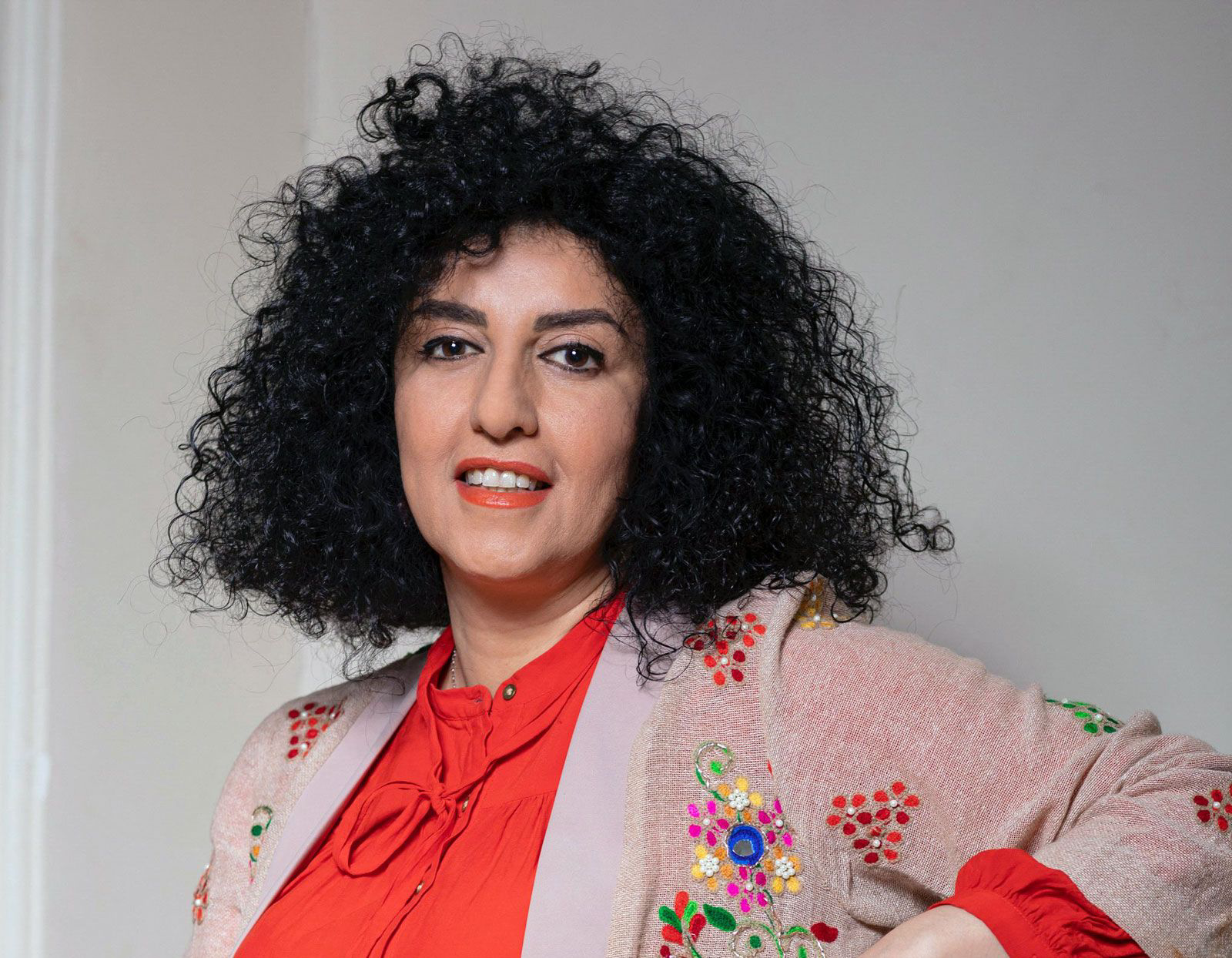
  • SHOCKING: Nobel Peace Prize Winner Narges Mohammadi Sentenced to Additional 7.5 Years in Prison and Exile in Iran – Lawyer Mostafa Nili Reveals Details

    SHOCKING: Nobel Peace Prize Winner Narges Mohammadi Sentenced to Additional 7.5 Years in Prison and Exile in Iran – Lawyer Mostafa Nili Reveals Details


    SHOCKING: Nobel Peace Prize Winner Narges Mohammadi Sentenced to Additional 7.5 Years in Prison and Exile in Iran – Lawyer Mostafa Nili Reveals Details

    Summary: Iranian human rights activist and 2023 Nobel Peace Prize laureate Narges Mohammadi has been handed a new sentence of seven and a half years in prison, plus exile and a travel ban. Her lawyer, Mostafa Nili, announced the verdict on February 8, 2026, highlighting ongoing repression against dissidents in Iran. The case has sparked global outrage.

    Narges Mohammadi, Iranian activist and 2023 Nobel Peace Prize winner

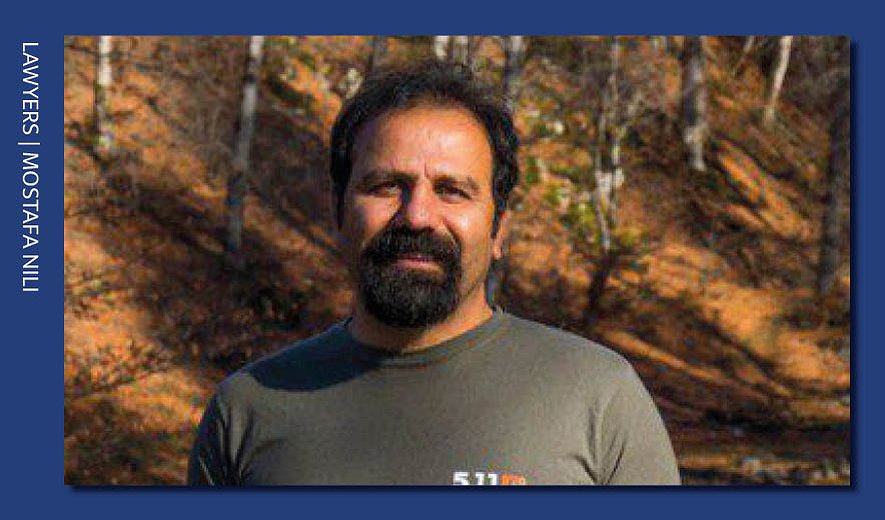
    Prominent Iranian human rights lawyer Mostafa Nili broke the news of the latest sentence against his client, Narges Mohammadi, via social media. The Revolutionary Court imposed:

    • Six years for “assembly and collusion against national security”
    • One and a half years for “propaganda against the regime”
    • Two years of internal exile to Khosf (Khorasan province)
    • A two-year ban on leaving Iran

    Mostafa Nili, Iranian human rights lawyer

    Nili spoke with Mohammadi by phone from her detention center in Mashhad, but the call was abruptly cut off as she began describing her arrest.

    How was the arrest?

    Authorities detained Mohammadi on December 12, 2025, during a memorial ceremony for human rights lawyer Khosrow Alikordi. Prosecutors accused her of making “provocative statements” inciting disorder. She reported being beaten on the head and neck by plainclothes agents, requiring emergency medical care twice.

    Who is Narges Mohammadi?

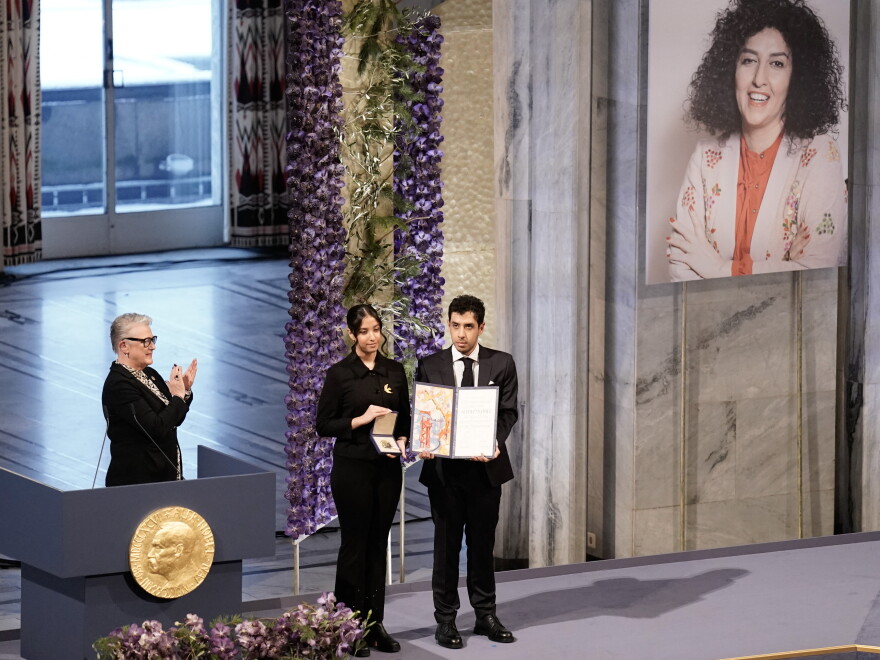
    Narges Mohammadi, 53, is a leading voice against the death penalty and women’s rights restrictions in Iran. She won the 2023 Nobel Peace Prize “for her fight against the oppression of women in Iran and her struggle to promote human rights and freedom for all.” Imprisoned at the time, her children accepted the award in Oslo on her behalf.

    Children of Narges Mohammadi accepting the Nobel Peace Prize in Oslo

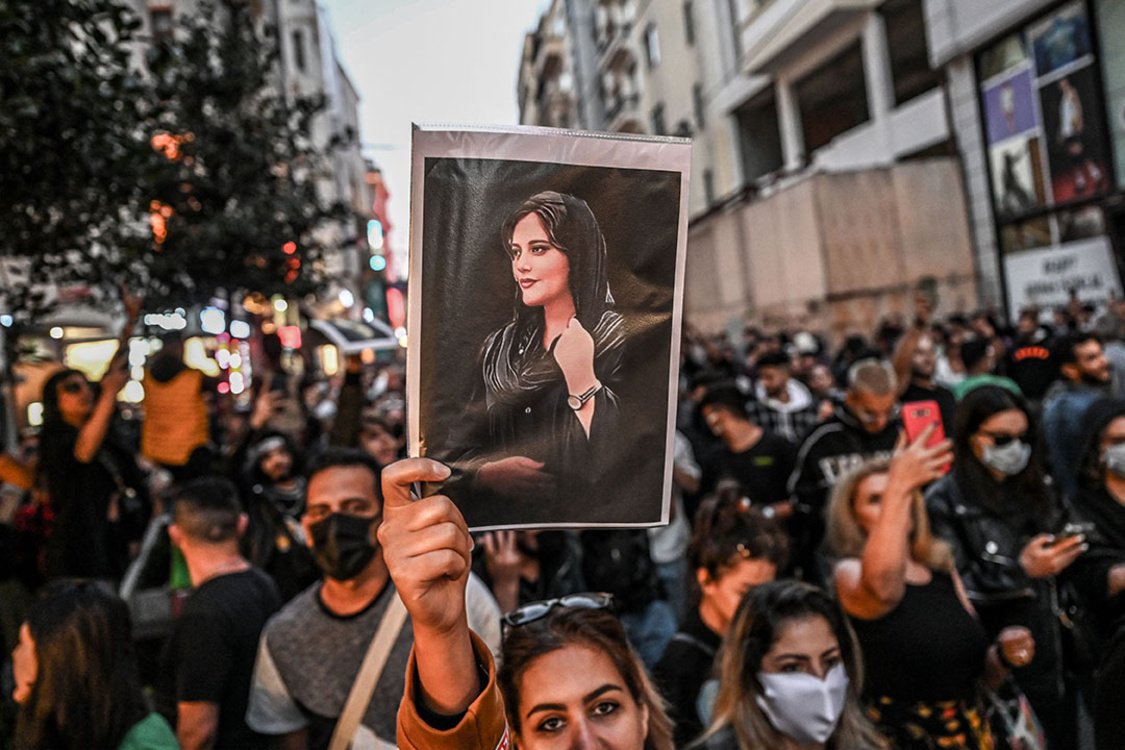
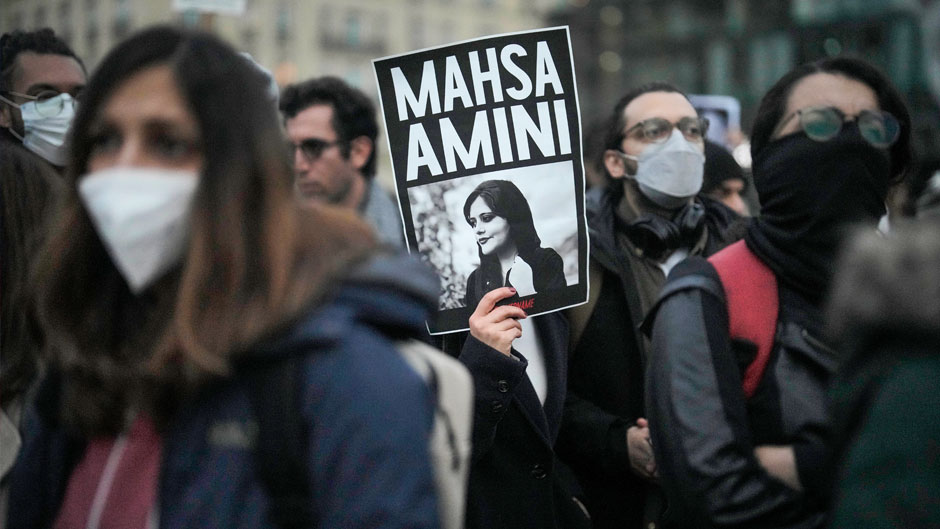
    She strongly supported the 2022 protests sparked by Mahsa Amini’s death in morality police custody over “improper” hijab wearing.

    Protests in Iran following the death of Mahsa Amini

    Iranian women protesting for rights and freedom

    Mohammadi has faced multiple convictions, accumulating over 44 years in total sentences. She received a brief medical release in late 2024 but was rearrested.

    International reaction

    Rights groups and media outlets like Al Jazeera, Reuters, BBC, NYT, and NBC have condemned the sentence as part of Iran’s crackdown on dissent. Mohammadi’s foundation called the trial unfair, noting she recently ended a hunger strike in protest.

    This latest ruling intensifies global concerns over women’s rights and political repression in Iran. Narges Mohammadi’s defiance continues to inspire resistance worldwide.


    Main sources:
    Al Jazeera |
    BBC |
    Reuters |
    NYT |
    NBC News


  • SHOCKING: 110 Mortars Hidden in UNRWA Aid Bags – Defund This Hamas Front NOW


    UNRWA Exposed: Weapons Hidden in UN “Humanitarian” Aid Bags – Direct Evidence of Hamas Ties

    On February 3, 2026, IDF troops from the 7th Brigade operating east of the Yellow Line in southern Gaza uncovered a shocking cache: approximately 110 mortar shells, rockets, and other explosives concealed inside UNRWA humanitarian aid bags and blankets. This is not an isolated incident — it is the latest proof that UNRWA infrastructure and supplies are systematically exploited by Hamas terrorists.

    Weapons and explosives recovered from UNRWA-linked sites in Gaza

    Weapons cache including explosives recovered alongside UNRWA bags (similar incident pattern, February 2024 – ongoing abuse documented by IDF)

    IDF soldier examining weapons hidden in UNRWA bags

    IDF documentation of weapons concealed in UNRWA-marked bags

    Weapons do not end up in humanitarian aid bags by accident. Hamas deliberately repurposes UNRWA sacks to hide and transport their arsenal, using the UN logo as cover. Full IDF report here.

    A Long-Standing Pattern of Abuse

    This is far from the first time. Throughout the war, IDF forces have repeatedly located large weapon caches hidden in or near UNRWA facilities and using their branded bags:

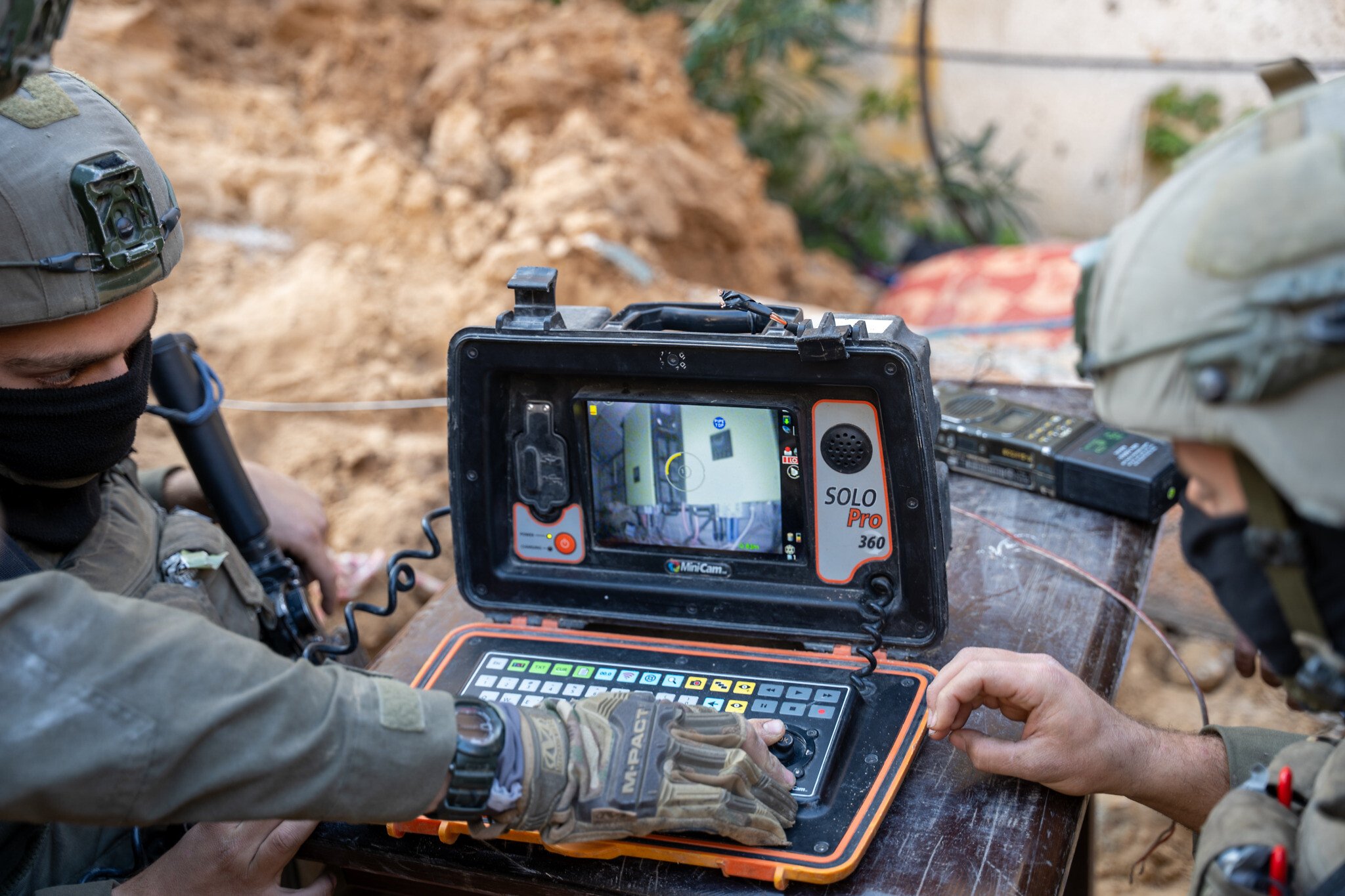
    Hamas underground server room beneath UNRWA headquarters

    Hamas server room and data center discovered directly under UNRWA Gaza headquarters

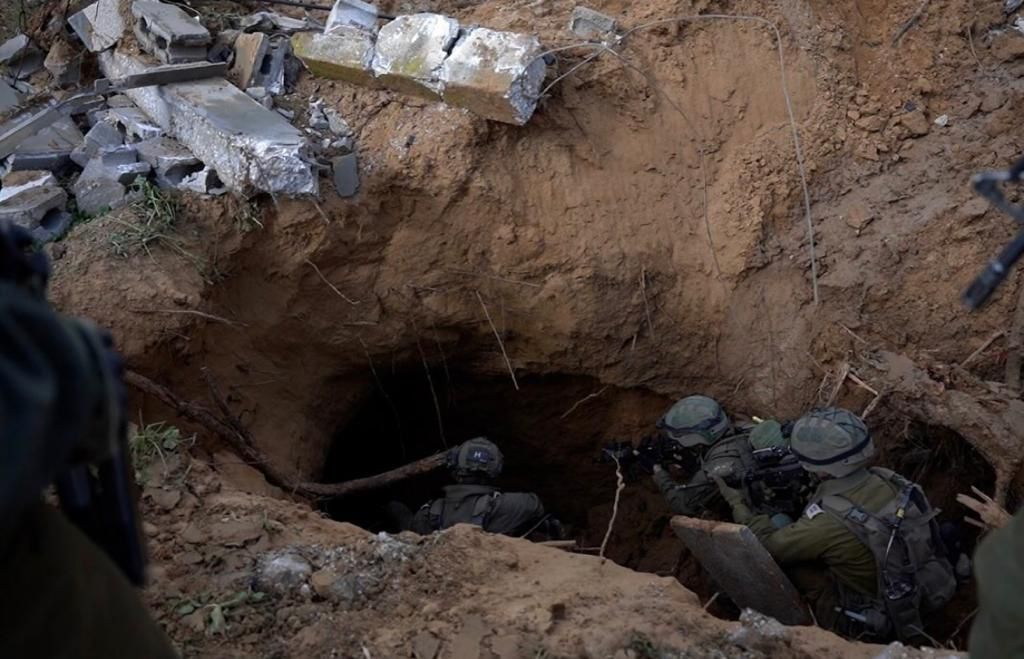
    IDF soldiers at tunnel shaft under UNRWA HQ

    IDF troops at the entrance to a major Hamas tunnel shaft under UNRWA’s Gaza HQ

    Hamas Command Centers Built Directly Under UNRWA Headquarters

    In one of the most damning discoveries, the IDF uncovered a major Hamas tunnel shaft and data center directly beneath UNRWA’s Gaza headquarters.

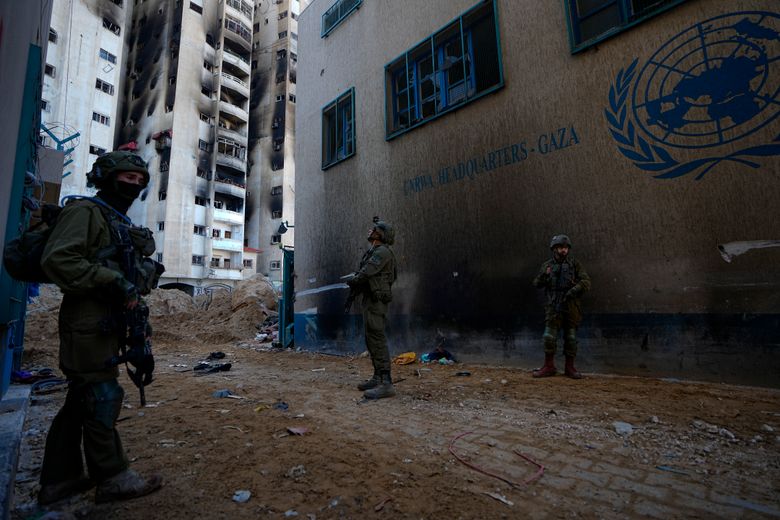
    UNRWA Gaza Headquarters exterior with IDF presence

    UNRWA Gaza headquarters – the building sitting atop Hamas’s underground command infrastructure

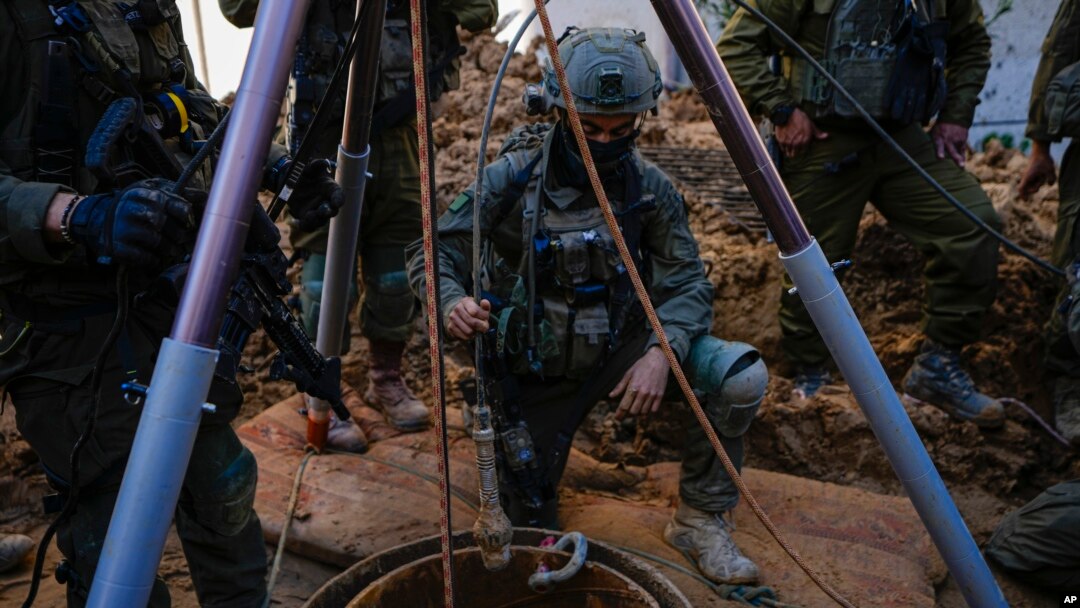
    IDF soldiers preparing to enter tunnel shaft under UNRWA building

    IDF soldiers at the tunnel shaft leading to Hamas intelligence assets under UNRWA HQ

    Beyond Weapons: UNRWA Staff and Schools Fuel Terrorism

    • UNRWA employees participated in the October 7 massacre and hostage-taking.
    • Many staff members are confirmed Hamas operatives.
    • UNRWA schools teach children to become jihadists and glorify killing Jews (see student interview from 2024).
    • Rockets have been launched from UNRWA compounds, and facilities used for tunnel construction and arms storage.

    Today, zero percent of humanitarian supplies entering Gaza come through UNRWA — yet it continues to receive hundreds of millions in taxpayer funding while serving as Hamas’s logistical backbone.

    For a comprehensive dossier on UNRWA’s ties to terror: Israeli Government UNRWA page.


  • Israel Rejects Médecins Sans Frontières Registration: Explosive Israeli Government Report Exposes Alleged Anti-Israel Agenda (December 2025)

    Israel Rejects Médecins Sans Frontières Registration: Explosive Israeli Government Report Exposes Alleged Anti-Israel Agenda (December 2025)

    Médecins Sans Frontières (MSF) accused of delegitimizing Israel, calling for boycotts, and having ties to terrorist organizations: Inside the damning report that led to the denial of registration for the French, Belgian, Dutch, and Spanish branches.

    In December 2025, the Israeli government released a consolidated 25-page report that delivers a scathing critique of Médecins Sans Frontières (MSF). Prepared under Government Resolution 2542, the document justifies the rejection of registration applications from the four main operational branches: MSF France, MSF Belgium, Artsen zonder Grenzen (Netherlands), and Médicos Sin Fronteras (Spain).

    Israeli authorities claim these branches have abandoned humanitarian neutrality, instead promoting an extreme anti-Israel political narrative that repeatedly accuses the Jewish state of “genocide,” “ethnic cleansing,” and “crimes against humanity.”

    Background: Government Resolution 2542 and the Registration Process

    Introduced to regulate foreign organizations operating in Israel, Resolution 2542 imposes strict registration requirements. NGOs must submit full staff lists (including Palestinian employees) and prove they do not engage in political activities hostile to the State of Israel.

    The four MSF branches applied between June and July 2025. All were denied following review by Israel’s Inter-Ministerial Team, which cited serious violations of the guidelines (particularly sections 7.1).

    Key Accusations in the Israeli Report

    1. Systematic Delegitimization of Israel

    The report highlights a deliberate campaign that goes far beyond legitimate criticism. MSF routinely uses terms such as “genocidal war,” “genocide,” “systematic extermination,” and “Ethnic cleansing” to describe Israel’s actions in Gaza.

    Examples from official MSF statements:

    •  MSF France (September 5, 2025): “MSF denounces the genocidal war waged against the Palestinian population, marked by mass killings, the systematic destruction of civilian infrastructure, a deliberate siege and famine, as well as the forced displacement of the population, described as ethnic cleansing.”

    •  MSF Belgium (June 16, 2025): “The war waged by Israel against the population of Gaza is a genocidal war.”

    •  MSF Netherlands (September 18, 2025): “Stop the genocide… The only witnesses to their genocidal campaign are deliberately targeted.”

    •  MSF Spain (December 8, 2025): “The genocide in Gaza has been carried out not only through killings, detentions, and direct attacks, but also through the systematic destruction of infrastructure and the denial of means of survival.”

    According to the report, these accusations aim to strip Israel of international legitimacy and fuel boycott and isolation campaigns.

    2. Calls for Boycott and Arms Embargo – Links to BDS

    MSF France is singled out for explicit calls to halt French arms deliveries to Israel, aligning with BDS (Boycott, Divestment, Sanctions) campaigns.

    Example:

    •  “MSF calls on France to ensure that no French weapons or ammunition are used by the Israeli army in its genocidal war in Gaza.”

    The report also cites “Braderie pour Gaza” fundraising events in Paris (2024) organized by BDS France with visible MSF France support, including stands featuring pro-Palestinian symbols.

    3. Alleged Ties to Terrorist Organizations

    The report claims MSF Belgium employed individuals linked to designated terrorist groups:

    •  Fadi Al-Wadiya, a Gaza-based MSF employee, identified as a senior Palestinian Islamic Jihad operative and rocket expert (corroborated by an Israel Defense Forces statement).

    •  Mahmoud Abunejeila, referenced in MSF reports, who publicly expressed support for the Popular Front for the Liberation of Palestine (PFLP).

    These cases, the report argues, suggest a risk of terrorist infiltration or manipulation of humanitarian operations.

    4. Denial of Israel’s Democratic and Jewish Character

    MSF Belgium’s February 2025 report “Inflicting Harm and Denying Care” is cited for framing Israel as an oppressive, colonial state guilty of “apartheid,” “systemic oppression,” and “collective punishment.”

    Excerpts:

    •  “Obstacles to Palestinian access to healthcare… are part of a wider system of collective punishment imposed by Israel.”

    •  “This surge in violence is… part of a long history of systemic oppression and colonization by Israel.”

    5. Funding and Political Statements by Leadership

    Despite near-total reliance on private donations (98–99% for France, 99% for Spain, 99.6% for Netherlands), the report argues this financial independence does not mitigate the branches’ extreme politicization.

    Senior MSF officials have gone beyond humanitarian commentary:

    •  MSF France’s CEO called the Gaza siege “collective punishment” and “acts constituting war crimes and genocide.”

    •  MSF Netherlands’ General Director participated in boycott rallies.

    Conclusion: Rejection Upheld on Security and Neutrality Grounds

    The Israeli report concludes that Médecins Sans Frontières fails to meet the neutrality and impartiality standards required of humanitarian organizations operating in Israel. The registration denials—and potential expulsion of foreign staff—are framed as necessary measures to protect national security from perceived hostile activities.

    Dated December 2025, the 25-page document has sparked intense international debate over the boundaries of humanitarian advocacy in the Israeli-Palestinian conflict.

    Keywords: Médecins Sans Frontières Israel, MSF registration denied, Gaza genocide accusations, MSF BDS boycott, MSF terrorism links, Israeli government report 2025

  • Spinoza, Diamonds, Tolerance: How a Tiny Minority Made the Netherlands What It Is Today

    Spinoza, Diamonds, Tolerance: How a Tiny Minority Made the Netherlands What It Is Today


    The Joodse Canon: The History and Jewish Contributions to the Netherlands Over More Than 700 Years


    The Joodse Canon: The History and Jewish Contributions to the Netherlands Over More Than 700 Years

    The Joodse Canon (Dutch Jewish Canon) traces the rich and continuous history of Jews in the Netherlands from the Middle Ages to the present day. This project highlights their cultural, economic, and social contributions as well as their resilience in the face of persecution. Discover in this article the key periods, emblematic figures, and recurring themes of this remarkable history.

    What is the Joodse Canon?

    The Joodse Canon is a historical and educational project that documents over seven centuries of Jewish presence in the Netherlands. Initiated by organisations such as the Joods Maatschappelijk Werk (Jewish Social Service, founded in 1946) and the educational centre Crescas, it aims to celebrate the contributions of the Sephardic and Ashkenazi communities to Dutch society.

    Organised chronologically by century, this “canon” emphasises the gradual integration of Jews, their role in the Dutch Golden Age, and their reconstruction after the Shoah. It reminds us that Jews, though always a small minority, have profoundly shaped Dutch history in the areas of tolerance, innovation, and culture.

    Interior of the Portuguese Synagogue in Amsterdam

    Majestic interior of the Portuguese Synagogue in Amsterdam, symbol of the Dutch Jewish Golden Age

    The Major Periods of Dutch Jewish History

    The Middle Ages and the 17th Century: The Arrival of the “New Jews” and the Golden Age

    Jewish presence dates back to 1295 with the Jodenstraat (Jews’ Street) in Maastricht. The 17th century marked a turning point with the massive arrival of Portuguese Jews fleeing the Inquisition and Ashkenazi Jews from Eastern Europe.

    Key moments include:

    • 1615 → Founding of the Santa Companhia de Dotar Orphas e Donzellas (aid for orphan girls).
    • 1616 → Establishment of the Talmud Torah.
    • 1656 → Excommunication (herem) of Baruch Spinoza, the philosopher who laid the foundations of modern rationalism.
    • 1675 → Inauguration of the magnificent Portuguese Synagogue in Amsterdam, a symbol of tolerance.

    This period also saw the development of the silk industry (1644), the diamond trade, and international philanthropy.

    Portrait of Baruch Spinoza

    Portrait of Baruch Spinoza, an emblematic figure of the 17th-century Netherlands

    18th and 19th Centuries: Expansion, Stability, and Emancipation

    The 18th century was characterised by community expansion (synagogues in Rotterdam, luxurious residences along the Amstel). The 19th century brought full integration:

    • 1796 → Emancipation decree.
    • 1817 → Obligation to learn Dutch.
    • 1860 → Michel Henri Godefroi, the first Jewish minister.
    • 1894 → Founding of the General Dutch Diamond Workers’ Union, an economic pillar.

    The arrival of Eastern European Jews (Ostjuden) further enriched the community.

    20th Century: A Century of Extremes and Reconstruction

    The 20th century alternated between immigration, persecution, and rebirth:

    • 1933–1939 → Influx of German refugees.
    • 1941–1945 → Shoah, with the Westerbork camp, the Jewish Council, and the tragedy of Anne Frank.
    • Post-1945 → Return of survivors, creation of Joods Maatschappelijk Werk, and celebration of the State of Israel (1948).

    Anne Frank's room (reconstruction)

    Anne Frank’s room in Amsterdam, a universal symbol of the Shoah

    Beth Haim Cemetery in Ouderkerk aan de Amstel

    The Portuguese Beth Haim Cemetery in Ouderkerk aan de Amstel, one of the oldest in Western Europe

    Today, the community remains vibrant with modern institutions such as the Jewish Cultural Quarter in Amsterdam.

    Emblematic Figures and Recurring Themes

    Among the most prominent figures:

    • Spinoza
    • Saul Levi Morteira
    • Isaac de Pinto
    • Anne Frank
    • Jacob Soetendorp

    The dominant themes include:

    • Cultural contributions → Synagogues, Hebrew printing, music.
    • Economic contributions → Diamond, industry, finance.
    • Social resilience → Philanthropy, education, political integration.
    • Survival through trials → Emancipation, Shoah, contemporary renaissance.

    Why the Joodse Canon Remains Relevant Today

    This canon reminds us that Jewish history is inseparable from Dutch identity: tolerance, innovation, and human rights are its direct fruits. In a global context of rising antisemitism, it calls for the preservation of this collective memory.

    For more information, visit the official website: https://joodsecanon.nl.

    The history of Jews in the Netherlands, their contributions, and the Joodse Canon together form a timeless source of inspiration.


  • Barcelona Launches EMET Truth Foundation to Combat Rising Antisemitism

    Barcelona Launches EMET Truth Foundation to Combat Rising Antisemitism

    Barcelona Launches EMET – Truth Foundation to Address Rise in Antisemitism

    Former French Prime Minister Manuel Valls and senior Spanish political and civic figures attend the foundation’s inaugural event in Barcelona.

    PRESS CALL

    Barcelona will host the official launch of EMET – Truth Foundation, a new initiative dedicated to addressing antisemitism and promoting democratic values, at an event bringing together political leaders, historians, and representatives of Jewish institutions.

    Among the participants are Manuel Valls, former Prime Minister of France; Xavier Trias, former Mayor of Barcelona; Gabriel Colomé, Senator in the Spanish Parliament; and historian Adrià Fortet.

    The event is organized in collaboration with the Federation of Jewish Communities of Spain and the Jewish Community of Barcelona.

    Event Details

    • Date: Monday, February 2, 2026
    • Time: 19:00
    • Venue: Saló del Tinell, Plaça del Rei s/n
    • City: Barcelona
    • Media check-in: From 18:45

    Press contact:

    Ofer Laszewicki Rubin

    📞 +34 634 427 125

    📧 Press@fundacionemetverdad.com

    Background

    The launch takes place amid a reported increase in antisemitic incidents in Catalonia and other parts of Spain following the Hamas attacks against Israel on October 7, 2023. Jewish communities and civil society organizations have raised concerns regarding public discourse, security, and the protection of cultural and historical sites.

    Recent incidents — including harassment directed at individuals and businesses identified as Jewish, the circulation of a mapping initiative by GoGo Carto, and the desecration of the Jewish cemetery of Les Corts in Barcelona — have intensified discussion around antisemitism, hate speech, and social cohesion.

    About EMET – Truth Foundation

    EMET – Truth Foundation is a pluralistic and independent initiative focused on combating antisemitism and fostering coexistence. Its activities will include:

    • educational and awareness programs,
    • cultural and civic dialogue initiatives,
    • documentation and research,
    • and cooperation with public and private institutions.

    The foundation aims to contribute to the strengthening of democratic values and to the prevention of discrimination in all its forms.

    Program

    The inaugural event will feature:

    • presentations by the foundation’s trustees outlining its objectives and strategic priorities,
    • contributions from partner institutions,
    • and testimonies addressing the impact of antisemitism on individuals and communities
  • Israel’s Diplomatic Victory: France, Spain and Italy Shift Europe on the IRGC

    Israel’s Diplomatic Victory: France, Spain and Italy Shift Europe on the IRGC


    🔴 Update — European Union decision

    Israel’s Foreign Minister, Gideon Sa’ar, welcomed the decision by European Union foreign ministers to designate Iran’s Islamic Revolutionary Guard Corps (IRGC) as a terrorist organization, calling it a historic decision.

    According to Sa’ar, the move will criminalize and significantly hinder IRGC activities in Europe, deliver a major economic blow to a structure that controls a substantial share of the Iranian regime’s economy, and send a clear message of support to Iranian men and women fighting for their freedom.


    Paris – Brussels – Madrid – Rome.

    After months of European hesitation, a decisive shift is underway. France, followed by Spain and Italy, has signaled support for classifying Iran’s Islamic Revolutionary Guard Corps (IRGC) as a terrorist organization at the European Union level — a move widely seen as a clear diplomatic victory for Israel.

    Israel sets the diplomatic pace

    This shift did not happen by chance. It is the result of a deliberate and highly visible Israeli diplomatic strategy, led by Foreign Minister Gideon Sa’ar.

    Through repeated public statements and direct appeals to European capitals and EU institutions, Israel pushed to convert long-standing moral condemnations of Tehran into concrete legal and political action.

    Israel’s message has been consistent: the IRGC is not merely a regional military actor, but the core instrument of Iran’s internal repression and external terror operations.

    France breaks the logjam

    The turning point came when French Foreign Minister Jean-Noël Barrot stated that France would support adding the IRGC to the EU’s terrorist list.

    For Paris — long regarded as cautious on the issue — this marked a strategic shift, instantly altering the balance inside the EU.

    France’s move acted as a political catalyst, making continued European inaction far more difficult to sustain.

    Spain and Italy follow

    Soon after France’s announcement, Spain and Italy indicated that they, too, were openly aligned with this position.

    Their support is particularly significant: both Madrid and Rome had previously been among the more reserved capitals, wary of diplomatic fallout with Tehran.

    Together, France, Spain and Italy now form a core group of major EU member states, reshaping the internal dynamics of the debate.

    Brussels under growing pressure

    Israel’s diplomatic push did not stop at national capitals. Gideon Sa’ar also directly challenged the European Commission, including its president Ursula von der Leyen, urging Brussels to move beyond rhetoric and adopt binding EU-level measures.

    With several of the EU’s largest states now aligned, the pressure on European institutions is mounting.

    A strategic precedent for Israel

    Listing the IRGC as a terrorist organization still requires unanimous approval by all EU member states.

    However, the alignment of France, Spain and Italy has dramatically narrowed the space for opposition.

    For Israel, the significance goes beyond Iran:

    this episode demonstrates its ability to shape Europe’s security agenda, linking human-rights abuses, regional terrorism and global security — and transforming political pressure into tangible diplomatic momentum.

  • Ran Gvili: The Wounded Hero Who Stood Between Hamas and a Kibbutz

    Ran Gvili: The Wounded Hero Who Stood Between Hamas and a Kibbutz

    Despite a fractured shoulder and medical leave, elite police officer Ran Gvili rushed into combat on October 7, 2023. At the entrance to Kibbutz Alumim, he helped stop dozens of Hamas terrorists and saved an entire community.

    A wounded officer who ran toward the fire

    On the morning of October 7, 2023, as rocket sirens echoed across southern Israel, Staff Sergeant Ran Gvili was supposed to be recovering.

    He was 24 years old, on medical leave at his parents’ home in Meitar, suffering from a fractured shoulder after a motorcycle accident. Surgery had already been scheduled. Doctors had told him to rest.

    Instead, when the first red alerts sounded, Ran put on his uniform, took his personal weapon, and headed straight toward the fighting.

    From medical leave to the front line

    Ran’s initial goal was to reach the Nova music festival area to help civilians under attack. On the way, he encountered fellow members of his elite Yasam unit (Border Police special forces operating in the Negev) and joined them.

    The group was small—six to seven Yasam fighters and one officer in civilian clothes—but they moved quickly toward the attacked kibbutzim.

    At the entrance to Kibbutz Alumim, they came face to face with a large Hamas force: dozens of heavily armed terrorists carrying AK-47s, RPGs, and grenades, attempting to breach the community.

    The stand at the gate of Alumim

    According to testimonies from his comrades, Ran Gvili took the initiative.

    He led the engagement, opening fire first and drawing his team into combat. The clash was intense and chaotic. Despite being outnumbered, the group managed to neutralize at least 14 terrorists—bodies later found just hundreds of meters from the kibbutz gate.

    During the fighting, Ran was wounded in the hand and leg. Yet he remained composed. Over the radio, he calmly called for assistance, without panic, while continuing to block the entrance.

    By physically holding the line at the gate, Ran and his team prevented the terrorists from entering the kibbutz.

    Why Alumim was saved

    Thanks to this resistance—combined with the kibbutz’s internal emergency response team—no Israeli residents of Alumim were killed that day.

    (Some foreign workers were tragically murdered elsewhere in the area.)

    The terrorists were ultimately pushed back.

    Ran Gvili was mortally wounded during these exchanges. His body was later taken to Gaza by the attackers.

    “Alone against dozens”: myth and reality

    Ran Gvili is often described as having fought “alone against dozens.” The reality is more precise—and no less extraordinary.

    • He was part of a very small team, fewer than ten fighters.
    • They faced an overwhelming force, estimated at around forty terrorists.
    • At certain moments, the team was split, and Ran operated at the most exposed positions.
    • His leadership and personal risk-taking were decisive in stopping the assault.

    For the residents of Alumim, the conclusion is simple: without Ran and his team, the kibbutz would likely have been overrun.

    A hero remembered at Alumim

    Today, the residents of Kibbutz Alumim consider Ran Gvili their savior.

    A memorial stands at the entrance to the community. A sign reads:

    “Rani, hero of Israel, we are waiting for you at home.”

    A Portuguese citizen and a Sephardic legacy

    Ran Gvili was not only an Israeli hero. He was also a Portuguese citizen, through his Sephardic ancestry and Portugal’s 2015 law recognizing descendants of Jews expelled from the Iberian Peninsula.

    His family history reflects the broader Sephardic diaspora: centuries in Iberia, expulsion and persecution, migration through the Mediterranean world, and eventual rebuilding in Israel.

    This citizenship was not symbolic. Ran embodied the positive meaning of historical reparation: public service, responsibility, and sacrifice. He served as an elite police officer, worked tirelessly, and ultimately gave his life protecting civilians.

    A return after 843 days

    On January 26, 2026—843 days after his death—Ran Gvili was finally brought home.

    His return closed a long and painful chapter for his family, his comrades, and the residents of Alumim. He was laid to rest in Israel, honored as the hero he was.

    A legacy that endures

    Ran Gvili’s story is not only about a battle.

    It is about responsibility in moments of collapse, about choosing action despite fear and pain, and about standing between civilians and violence when it matters most.

    He did not retreat.

    He held the line.

    And because of that, an entire community lived.

    Rest in peace, Rani. Israel will not forget you.

  • Israel Advances in the Caspian Sea: The Azerbaijan–Kazakhstan Axis at the Heart of a New Strategic Shift

    Israel Advances in the Caspian Sea: The Azerbaijan–Kazakhstan Axis at the Heart of a New Strategic Shift

    Geopolitical analysis

    As tensions with Iran persist and the global order continues to fragment, Israel is quietly but deliberately strengthening its strategic presence in the Caspian Sea region. The diplomatic tour of Israeli Foreign Minister Gideon Sa’ar to Azerbaijan and Kazakhstan, accompanied by a high-level economic delegation, marks a significant step in this long-term strategy.

    In Baku, the message is unmistakable: Israel is consolidating stable, forward-looking alliances well beyond its immediate regional environment.

    🇦🇿 Baku, a Strategic Partner for Israel in a Volatile Region

    In Azerbaijan, Gideon Sa’ar met with President Ilham Aliyev, whom he publicly described as “a visionary leader who has guided his nation toward impressive achievements.”

    The Israeli foreign minister emphasized the exceptional level of trust between the two countries, highlighting Azerbaijan’s consistent support for Jewish life and religious freedom — a politically meaningful reality in a region often marked by hostility toward Israel.

    “I arrived in Baku with a high-level business and economic delegation. Our shared goal is to deepen cooperation in energy, defense, water, agriculture, tourism, and more. We are strengthening our strategic relations,” Sa’ar stated.

    🇮🇷 Azerbaijan as a Quiet Strategic Lever vis-à-vis Iran

    Azerbaijan occupies a unique geopolitical position: it shares a direct border with Iran, enjoys political stability, and maintains pragmatic relations with Israel.

    Without provoking open confrontation, this partnership allows Israel to:

    • expand its strategic depth vis-à-vis Tehran;
    • rely on a sovereign, pragmatic Muslim-majority state;
    • reinforce regional deterrence through indirect but credible means.

    The Caspian Sea: Energy, Routes, and Strategic Autonomy

    The Caspian region has become a central arena in global energy and resource geopolitics.

    • Azerbaijan is a key oil and gas producer.
    • Kazakhstan holds critical resources, including hydrocarbons, uranium, and strategic metals.

    For Israel, the objectives are clear:

    1. diversify energy partnerships beyond Russian and Iranian influence;
    2. secure long-term cooperation and supply routes;
    3. position Israeli companies in large-scale strategic projects.

    Israeli Technology at the Core of Economic Diplomacy

    The presence of a senior Israeli business delegation underscores a diplomacy built on innovation. Israel brings concrete solutions in high-impact sectors:

    • water management and desalination;
    • smart agriculture and food security;
    • defense and cybersecurity;
    • engineering, healthcare, and tourism.

    This approach creates strategic interdependence: Israel exports not only technology, but resilience and long-term partnership.

    Kazakhstan: Opening a New Diplomatic Horizon

    The Kazakh leg of the visit fits into a broader trend: the gradual extension of the spirit of the Abraham Accords beyond the Middle East.

    As a moderate Muslim state with international credibility, Kazakhstan positions itself as:

    • a bridge between Israel, Central Asia, and the West;
    • a stable partner in an increasingly multipolar world;
    • a political signal countering efforts to isolate Israel diplomatically.

    Jewish Communities and Strategic Soft Power

    In both Azerbaijan and Kazakhstan, Jewish communities live in safety, with officially recognized religious freedom. For Israel, these communities represent:

    • a historical and human bridge;
    • a foundation of diplomatic trust;
    • a tangible counterweight to regional antisemitic narratives.

    The tour of Gideon Sa’ar in Azerbaijan and Kazakhstan highlights a strategic reality often underestimated: Israel is not reacting to global change — it is anticipating it.

    By anchoring itself in the Caspian geopolitical core, Jerusalem:

    • strengthens indirect strategic pressure on Iran;
    • secures access to energy and critical partnerships;
    • expands its alliance network beyond traditional frameworks.

    A quiet move — but a decisive one.