Geopolitical analysis
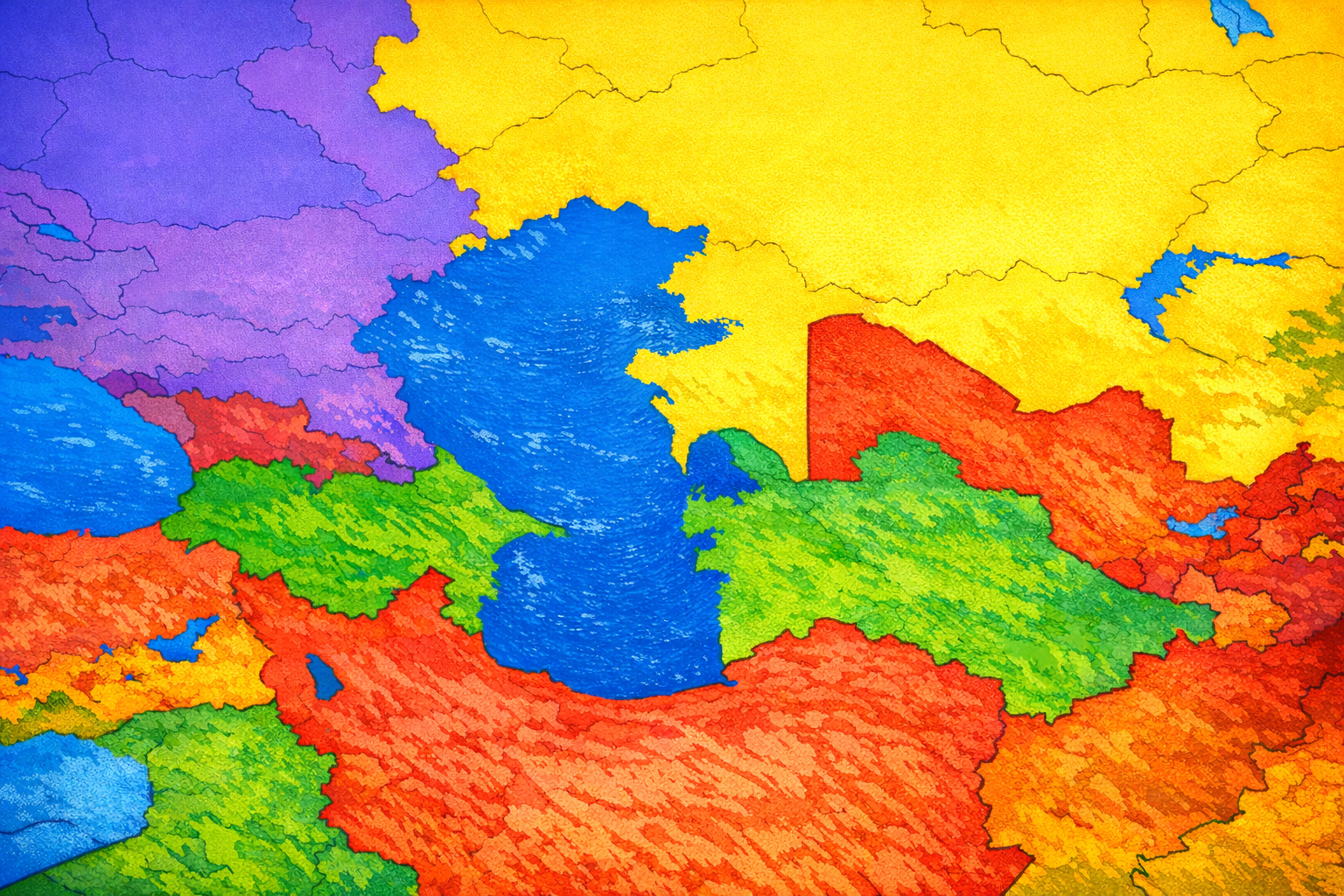
As tensions with Iran persist and the global order continues to fragment, Israel is quietly but deliberately strengthening its strategic presence in the Caspian Sea region. The diplomatic tour of Israeli Foreign Minister Gideon Sa’ar to Azerbaijan and Kazakhstan, accompanied by a high-level economic delegation, marks a significant step in this long-term strategy.
In Baku, the message is unmistakable: Israel is consolidating stable, forward-looking alliances well beyond its immediate regional environment.
🇦🇿 Baku, a Strategic Partner for Israel in a Volatile Region
In Azerbaijan, Gideon Sa’ar met with President Ilham Aliyev, whom he publicly described as “a visionary leader who has guided his nation toward impressive achievements.”
The Israeli foreign minister emphasized the exceptional level of trust between the two countries, highlighting Azerbaijan’s consistent support for Jewish life and religious freedom — a politically meaningful reality in a region often marked by hostility toward Israel.
“I arrived in Baku with a high-level business and economic delegation. Our shared goal is to deepen cooperation in energy, defense, water, agriculture, tourism, and more. We are strengthening our strategic relations,” Sa’ar stated.
🇮🇷 Azerbaijan as a Quiet Strategic Lever vis-à-vis Iran
Azerbaijan occupies a unique geopolitical position: it shares a direct border with Iran, enjoys political stability, and maintains pragmatic relations with Israel.
Without provoking open confrontation, this partnership allows Israel to:
- expand its strategic depth vis-à-vis Tehran;
- rely on a sovereign, pragmatic Muslim-majority state;
- reinforce regional deterrence through indirect but credible means.
The Caspian Sea: Energy, Routes, and Strategic Autonomy
The Caspian region has become a central arena in global energy and resource geopolitics.
- Azerbaijan is a key oil and gas producer.
- Kazakhstan holds critical resources, including hydrocarbons, uranium, and strategic metals.
For Israel, the objectives are clear:
- diversify energy partnerships beyond Russian and Iranian influence;
- secure long-term cooperation and supply routes;
- position Israeli companies in large-scale strategic projects.
Israeli Technology at the Core of Economic Diplomacy
The presence of a senior Israeli business delegation underscores a diplomacy built on innovation. Israel brings concrete solutions in high-impact sectors:
- water management and desalination;
- smart agriculture and food security;
- defense and cybersecurity;
- engineering, healthcare, and tourism.
This approach creates strategic interdependence: Israel exports not only technology, but resilience and long-term partnership.
Kazakhstan: Opening a New Diplomatic Horizon
The Kazakh leg of the visit fits into a broader trend: the gradual extension of the spirit of the Abraham Accords beyond the Middle East.
As a moderate Muslim state with international credibility, Kazakhstan positions itself as:
- a bridge between Israel, Central Asia, and the West;
- a stable partner in an increasingly multipolar world;
- a political signal countering efforts to isolate Israel diplomatically.
Jewish Communities and Strategic Soft Power
In both Azerbaijan and Kazakhstan, Jewish communities live in safety, with officially recognized religious freedom. For Israel, these communities represent:
- a historical and human bridge;
- a foundation of diplomatic trust;
- a tangible counterweight to regional antisemitic narratives.
The tour of Gideon Sa’ar in Azerbaijan and Kazakhstan highlights a strategic reality often underestimated: Israel is not reacting to global change — it is anticipating it.
By anchoring itself in the Caspian geopolitical core, Jerusalem:
- strengthens indirect strategic pressure on Iran;
- secures access to energy and critical partnerships;
- expands its alliance network beyond traditional frameworks.
A quiet move — but a decisive one.