Blog

  • At the UN, Israel says the Trump plan holds if Hamas actually disarms

    At the UN, Israel says the Trump plan holds if Hamas actually disarms

    At the UN, Israel says the Trump plan holds if Hamas actually disarms

    “By Patrick Lancier”

    At the United Nations Security Council on Wednesday, Israel’s deputy ambassador, Noa Furman, reaffirmed Israel’s commitment to the Trump Gaza plan and said progress depends on full Hamas disarmament, The Independent reports. Nickolay Mladenov, high representative for Gaza on the Board of Peace, warned that a failed ceasefire would be a “point of no return,” Al Jazeera reported on 26 August 2026.

    At the Security Council, a warning: failure would be a point of no return

    Mladenov spoke to the Council as the Board of Peace’s high representative for Gaza. A return to fighting, he said, would leave “no roadmap to return to,” “no administration to deploy” and “nothing left on the ground to rebuild.” “That would not be a setback. It would be a point of no return for everyone,” Al Jazeera and The Independent both quote him. The warning is about the Trump Gaza plan and the Board of Peace.

    Israel and the United States stayed on that plan in the same session. Furman said Israel is working directly with Washington to reach full disarmament, The Independent reports. Mike Waltz, the U.S. ambassador to the United Nations, said remaining questions about the initiative are being worked through, and that Hamas’s compliance will be measured by its actions.

    Hamas accepted the roadmap. The weapons are still the test

    Hamas accepted the Board of Peace roadmap on 30 July, Al Jazeera reports. Mladenov told the Council that, for the first time, Hamas and the armed factions in Gaza have agreed to hand over their weapons and to transfer full governing authority — civilian and security — to a transitional administration recognised by the United Nations. That agreement is on paper. It is not yet the fact on the ground.

    “Hamas has committed to cease all military activities. That commitment is still to be met in full,” Mladenov said. He added that “every weapon carried, every tunnel still worked on and every convoy still obstructed sets the process back and hands an argument to those who want to resume war.” The condition is disarmament. It is not a side issue.

    Israel and Washington: the plan holds if Hamas disarms

    Furman, speaking for Israel at the Council, restated Israel’s dedication to the Trump blueprint and repeated that progress hinges on total disarmament, The Independent reports. That is the Israeli line in New York this week: the plan stands, and it stands if Hamas actually gives up its weapons. Waltz, speaking for the United States, tied Hamas’s word to what Hamas does.

    The two governments are working together on that end, Furman said. The plan named in that session is the Trump Gaza plan, under the Board of Peace.

    FAQ

    What did Israel say at the UN?

    Noa Furman, Israel’s deputy ambassador, reaffirmed Israel’s commitment to the Trump Gaza plan and said progress depends on full Hamas disarmament. Israel is working with Washington. The Independent.

    What did Mladenov warn?

    That a failed ceasefire would be a “point of no return”: no roadmap, no administration to deploy, nothing left to rebuild. Al Jazeera, 26 August 2026; The Independent.

    Has Hamas accepted the Board of Peace roadmap?

    Yes, on 30 July, according to Al Jazeera. Mladenov said the factions agreed to hand over weapons and authority. He also said the pledge to cease military activities “is still to be met in full.”

    How will Washington judge Hamas?

    Mike Waltz, the U.S. ambassador to the UN, said Hamas’s compliance will be measured by its actions. The Independent.

    Sources


    “By Patrick Lancier”


  • Israel MFA: UN agencies apply a double standard — that is the story

    Israel MFA: UN agencies apply a double standard — that is the story

    Israel MFA: UN agencies apply a double standard — that is the story

    “By Patrick Lancier”

    TL;DR — This is a double-standard note, not a tweet we do not have and not a France clone. Israel’s embassy page for the Ministry of Foreign Affairs states that key UN agencies have applied double standards to Israel, that the bias has been uncovered, and that governments should demand neutrality, impartiality and independence from UN officials. The Jerusalem Post, citing an analysis by Israel’s Permanent Mission to the United Nations: the UN spends roughly $100 million a year on bodies, mechanisms, reports and debates focused almost exclusively on Israel — not humanitarian aid, not peacekeeping. Asher Fredman (Misgav Institute) in the JPost: the UN has become a national security threat; a Misgav report mapped more than 30 UN bodies, entities, commissions and mechanisms in that campaign. No invented MFA tweet URL. US+Israel. No France. No crypto. No invented deaths.

    The embassy page: double standards, then a demand for neutrality

    The MFA page is the Israeli source this paper uses. It says professional UN bodies required to uphold neutrality have spread misleading information and applied double standards when addressing Israel. It names the damage: political discourse, public discourse, and international legal proceedings. It asks readers to demand that UN officials and agencies comply with neutrality, impartiality and independence “in all places and contexts, including when it comes to Israel.” That is the line. It is not a recovered tweet. This paper does not invent a tweet URL.

    The same page records that Israel still works with UN organizations that keep professional standards. The criticism is aimed at officials and agencies that deviate. One distinction. Not a walkout from every UN room. Not a death count.

    One hundred million dollars a year: a mission figure, not a casualty list

    JPost, from the mission analysis: about $100 million every year on conferences, rapporteurs, committees, commissions of inquiry and UN media efforts that cast Israel as a serial violator. A partial list in that analysis includes UNRWA, the UN Division for Palestinian Rights, the Committee on the Exercise of the Inalienable Rights of the Palestinian People, the Special Committee to Investigate Israeli Practices, the Register of Damage, the Special Rapporteur on the Palestinian Territories, and the Department of Global Communications Palestine Program. We recopy the list the paper printed. We do not invent a sixth budget line. We do not invent a death.

    The money, JPost is careful to say, is not aid and not peacekeeping. It is the paper trail: reports translated, circulated, cited, archived under a UN imprint, then reused by diplomats, NGOs and courts. That is why the figure matters in Washington as much as in Jerusalem. Donor leverage sits with the United States. This paper does not write a congressional vote that has not been sourced here.

    Misgav mapped more than thirty bodies: a security threat, not a slogan

    Fredman and Adi Schwartz, JPost opinion: UN resolutions and the reports behind them no longer stay in New York. They migrate into courts, corporate blacklists, arms-embargo debates and boycott campaigns. Their Misgav Institute report mapped more than 30 UN bodies and mechanisms. Some were built to advance a Palestinian narrative. Others sit under women’s rights, children, housing or climate and still return to Israel. Fredman’s word is not public relations. It is “national security threat.” The United States is named as the partner that can defund or condition the machinery. One opinion, attributed. Not an MFA tweet. Not a French ministry.

    On 27 August 2026 this paper holds three sentences. The MFA embassy page: double standards, demand neutrality. The mission analysis: about $100 million a year. Misgav: more than 30 bodies, a national security threat. No invented tweet. No invented deaths. Not a France clone. Not crypto.

    FAQ

    What is the MFA source in this piece?

    The embassy page, “UN agencies bias uncovered.” Double standards. Demand for neutrality. No invented tweet URL.

    Where does the $100 million figure come from?

    JPost, citing an analysis by Israel’s Permanent Mission to the UN. Bodies, mechanisms, reports, debates focused almost exclusively on Israel. Not aid. Not peacekeeping.

    What did Misgav map?

    More than 30 UN bodies, entities, commissions and mechanisms. Fredman/Schwartz, JPost opinion. They call the UN a national security threat.

    Does this piece invent an MFA tweet or a death toll?

    No. No tweet URL. No “” as an MFA line. No invented deaths.

    Is this a France or crypto clone?

    No. US+Israel. Embassy page, $100m, 30+ bodies. No France. No crypto.

    Sources


    “By Patrick Lancier”


  • Sa’ar expels Dutch from Kiryat Gat after Green Line import ban

    Sa’ar expels Dutch from Kiryat Gat after Green Line import ban

    Sa’ar expels Dutch from Kiryat Gat after Green Line import ban

    “By Patrick Lancier”

    TL;DR — This is a statecraft note, not a pile-on and not a Mount Hermon or Al-Mansouri clone. The Jerusalem Post reports that after the Netherlands announced a ban, from 22 September, on imports coming from beyond the Green Line, Foreign Minister Gideon Sa’ar expelled Dutch representatives from the US-led Gaza coordination center in Kiryat Gat — the hub that oversees ceasefire monitoring, humanitarian activity, and planning for Gaza’s postwar administration. Sa’ar’s line, quoted by JPost: “Those who act against Israel will have no foothold in the region.” No invented death toll. No Ben Gvir. No Hormuz.

    Access is leverage: Kiryat Gat is not a free seat

    JPost’s editorial frames the point clearly: European governments that take one-sided punitive steps while keeping a chair at consequential regional tables want it both ways. Access and influence are assets. Israel is entitled to use them. In April, Israel barred Spain from the same Kiryat Gat center after hostile Spanish measures — so the Dutch expulsion reads as policy, not a one-off tantrum. That sequence is sourced. This paper does not invent a third country expulsion.

    Measured response, US-led mechanism

    The Kiryat Gat mechanism is American-led and depends on broad participation. JPost notes Israel should coordinate retaliation with Washington and keep it measured — arguments for using leverage wisely, not for surrendering it. Separately, Sa’ar rejected UK Foreign Secretary Ed Miliband’s E1 remarks as one-sided and “patronizing,” and said Israel will not be a passive victim of damaging policy. That is a diplomatic warning, not a claim that London has already been expelled. No invented UK expulsion is written here.

    Why this desk holds the line

    On 27 August 2026 three sentences hold. Dutch Green Line import ban from 22 September. Sa’ar removes Dutch reps from the US-led Kiryat Gat center. Message: act against Israel, lose regional foothold. Not Hermon. Not Al-Mansouri strikes. Not a Ben Gvir drawer piece. US+Israel only.

    FAQ

    What did the Netherlands announce?

    A ban, from 22 September, on imports from beyond the Green Line. Jerusalem Post.

    What did Sa’ar do?

    Expelled Dutch representatives from the US-led Gaza coordination center in Kiryat Gat.

    Is Kiryat Gat an Israeli-only forum?

    No. JPost: US-led center for ceasefire monitoring, humanitarian work, and postwar planning.

    Was Spain treated the same way?

    Yes, in April, after hostile Spanish measures — per JPost. Policy pattern, not invented.

    Is this a Hermon, Al-Mansouri, or Ben Gvir clone?

    No. Diplomatic consequences. Sa’ar. Netherlands. US+Israel. No crypto.

    Sources


    “By Patrick Lancier”

  • IDF strikes Hezbollah after ceasefire breaches as Rome talks continue

    IDF strikes Hezbollah after ceasefire breaches as Rome talks continue

    IDF strikes Hezbollah after ceasefire breaches as Rome talks continue

    “By Patrick Lancier”

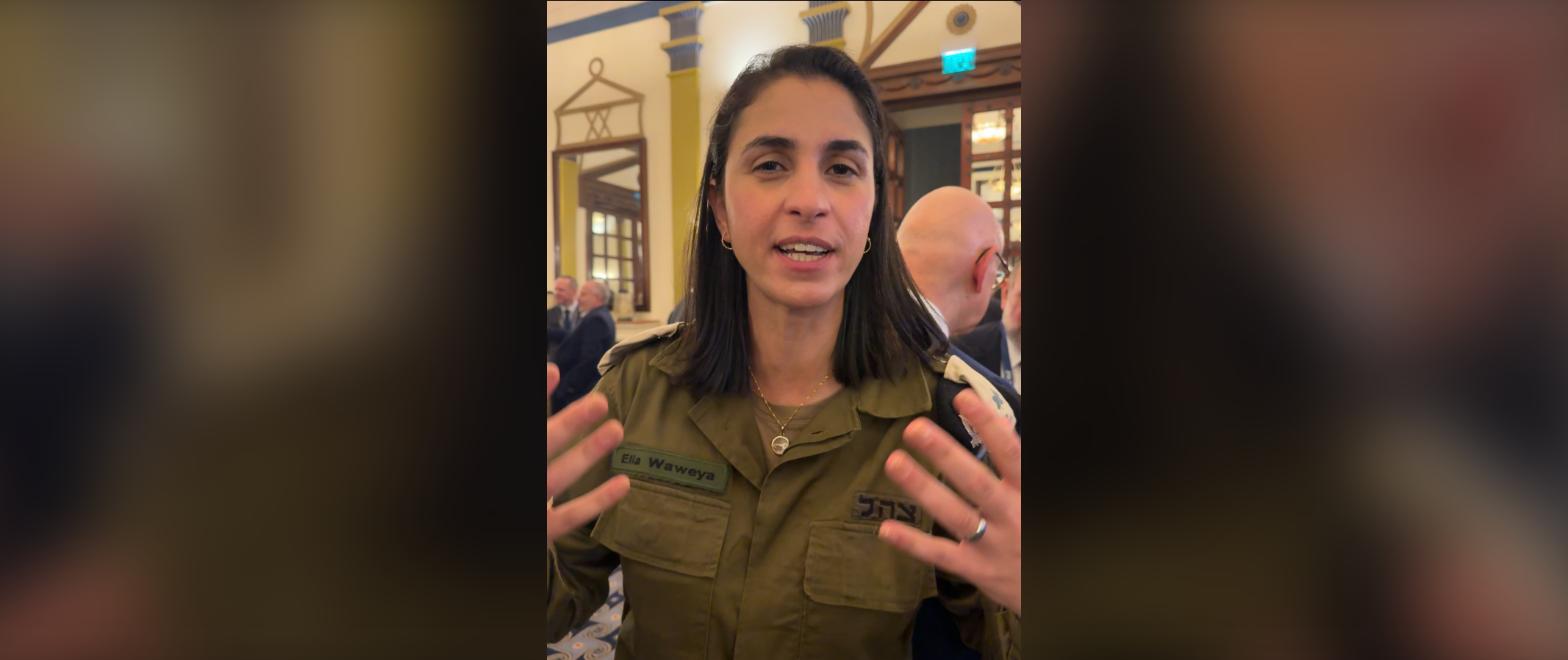
    TL;DR — This is a forward-defense note, not a pile-on and not a Mount Hermon clone. The Jerusalem Post reports the IDF began a wave of precise strikes against Hezbollah in southern Lebanon on Wednesday in retaliation for what the military called blatant ceasefire violations. For the first time since June, the IDF issued a civilian evacuation warning before strikes. Lt.-Col. Ella Waweya told residents of Al-Mansouri to move at least 1,000 meters north of the village. Rome talks on the June 26 US-brokered framework continued the same day. No invented body count is written as fact beyond what is clearly attributed. No Hormuz. No Ben Gvir.

    Evacuation first: civilians told to clear Al-Mansouri

    The IDF’s Arabic Spokesperson posted the warning on X/Twitter before the strikes, instructing anyone near Hezbollah facilities that remaining puts life at risk (Jerusalem Post). That sequence matters for a pro-Israel desk: warn, then strike infrastructure tied to violations. It is not a claim that Hezbollah protected civilians. It is the IDF’s published procedure for this wave.

    Jerusalem Post notes early Thursday a further wave; N12, citing Lebanese media, reported four killed. That figure is attributed, not audited here. This paper does not invent a fifth. It does not invent a named civilian list.

    Rome day two: disarmament track still open

    Strikes began as Israeli and Lebanese delegations met in Rome for a second day on Hezbollah disarmament, IDF withdrawal, and Lebanese Armed Forces deployment — the practical follow-on to the 26 June US-brokered framework (Jerusalem Post). Pilot LAF deployments are cited in Froun, Srifa, and Zawtar al-Gharbiyeh; Israel withdrew from Zawtar al-Gharbiyeh before Lebanese deployment. A meeting is not a pullback from the security zone. A framework is not fictitious disarmament.

    Why the zone still matters

    Jerusalem Post: Israel remains deployed in a southern Lebanon security zone to prevent attacks on northern communities and continues to target operatives and infrastructure it says violate ceasefire arrangements. In July, the IDF said troops in Haddatha destroyed over 90 Hezbollah sites and located more than 150 weapons in a month. Those are IDF figures. This paper does not invent a new July tally. On 27 August 2026 three sentences hold. Precise strikes after Hezbollah violations. Al-Mansouri warned 1,000 m north. Rome talks continue beside the zone. No invented deaths. Not a Hermon clone.

    FAQ

    Why did the IDF strike?

    Jerusalem Post: retaliation for blatant Hezbollah ceasefire violations. Precise strikes in southern Lebanon.

    What was the Al-Mansouri warning?

    Lt.-Col. Ella Waweya: move at least 1,000 meters north. First such warning since June, per Jerusalem Post.

    Did Rome talks cancel the strikes?

    No. Talks on the June 26 framework continued the same day. A meeting is not a withdrawal.

    Are deaths invented here?

    No. Thursday’s “four” is attributed to N12 citing Lebanese media. No unaudited extra tally.

    Is this a Katz Hermon or Hormuz clone?

    No. Lebanon strikes, evacuation warning, Rome track. US+Israel. No crypto. No Ben Gvir.

    Sources


    “By Patrick Lancier”

  • Katz on Mount Hermon: IDF stays while jihadist threats remain

    Katz on Mount Hermon: IDF stays while jihadist threats remain

    Katz on Mount Hermon: IDF stays while jihadist threats remain

    “By Patrick Lancier”

    TL;DR — This is a forward-defense note, not a withdrawal and not a clone of this morning’s Hormuz tanker. Defense Minister Israel Katz visited IDF troops on the Syrian side of Mount Hermon on Tuesday, 25 August 2026. i24NEWS. He told them: “We will not move from Mount Hermon and the security zone as long as there are jihadist threats to the State of Israel.” AFP, 26 August: “As long as there are threats, the IDF will remain here to guarantee our security.” The position overlooks Damascus from about 35 kilometers. Talks in Amman are not a signed deal. No death toll is written here. No vessel. No Rubio clone.

    Tuesday on the ridge: the IDF stays, the communities stay covered

    Katz’s line, carried by i24NEWS from the ministry video, is a protection line, not a talking point for Damascus. “The message to the Syrian president is clear, when you wake up in the morning in the palace in Damascus and look up at Mount Hermon and see the IDF, you know that we are here to protect our communities and our border.” AFP has the same message and adds daily activity “to thwart threats, to eliminate remnants of the old regime, to prevent dangerous consolidation of the new regime.” That is the minister’s frame after 7 October: the ridge is held so the Golan and the Galilee are not surprised again.

    World Israel News, 26 August, records the October 7 lesson in Katz’s own words: “The IDF, which is here and will remain here and will not move from here, ensures that these things will never happen again. That is the central lesson of October 7.” One quote. No invented casualty list. No invented raid overnight.

    Thirty-five kilometers, the Bekaa, and what this post can see

    i24NEWS: the position is “overlooking Damascus from above, 35 kilometers (21 miles) away, overlooking the Bekaa Valley in Lebanon, a Hezbollah stronghold from above,” and used to observe and defend communities in the Golan Heights and the Galilee. Thirty-five is a distance Katz gave. It is not a march on the capital. This paper does not write an occupation of Damascus. It does not write a death. It does not write a count of “violations” from a hostile desk.

    On Abu Duhur, Katz said the IDF acted to stop Turkish attempts to establish outposts in Syria (i24NEWS; AFP). AFP notes Ankara denied any visit to the site. Two sentences. No invented Turkish battalion. No invented wreckage.

    Amman is a meeting, not a withdrawal

    i24NEWS, citing a source: Mossad chief Roman Gofman met Syrian Foreign Minister Assad al-Shibani in Amman. The source called it a high-level meeting “with the aim of easing tensions” and described the talks as “good.” al-Shibani told Reuters he expects negotiations over a security agreement to resume. No text is signed in this piece. A meeting is not a pullback from Hermon. Katz’s public line, two days later on the ridge, is that the IDF stays while the threat stays.

    Damascus, via AFP, slammed Katz’s “illegal entry” and called it a violation of sovereignty. The protest is recorded. It does not rewrite the security reason Israel gives for holding the zone after Assad’s fall. On 27 August 2026 this paper holds three sentences. Katz on Hermon, Tuesday. The IDF stays while jihadist threats remain. Thirty-five kilometers is a sightline, not a deal. No invented deaths. Not a Hormuz clone.

    FAQ

    When did Katz visit Mount Hermon?

    Tuesday, 25 August 2026, Syrian side. i24NEWS and AFP (26 August).

    Did Israel sign a security deal with Damascus?

    No. i24 source: Amman meeting described as “good.” Reuters via i24: al-Shibani expects talks to resume. No signed text here.

    What is the 35 kilometers?

    Katz, via i24NEWS: the post overlooks Damascus from about 35 km. A sightline. Not a claim on the city.

    Are deaths invented in this piece?

    No. No overnight body count. No Al Jazeera “violations” tally. Crew-safe Hormuz is another slot.

    Is this a Rubio or Hormuz clone?

    No. Hermon, Katz, jihadist threats, October 7 lesson. US+Israel. No crypto.

    Sources


    “By Patrick Lancier”

  • IDF chief Zamir meets USAF chief Wilsbach in Tel Aviv on Iran and regional cooperation

    IDF chief Zamir meets USAF chief Wilsbach in Tel Aviv on Iran and regional cooperation

    IDF chief Zamir meets USAF chief Wilsbach in Tel Aviv on Iran and regional cooperation

    “By Patrick Lancier”

    TL;DR — This is a chiefs-to-chiefs file, not a sanctions memo. The Jerusalem Post reports that on Sunday, 23 August 2026, at the IDF’s Kirya headquarters in Tel Aviv, IDF Chief of Staff Lt-Gen Eyal Zamir met US Air Force Chief of Staff Gen Kenneth S. Wilsbach and Israel Air Force Commander Maj-Gen Omer Tishler. They discussed regional assessments, including Iran and other security threats, lessons from the joint campaign, and future areas of cooperation. Gate News, 26 August, 09:06, citing the IDF, carries the same meeting. The Post calls Wilsbach’s visit unusual: CENTCOM’s Gen Brad Cooper or CENTCOM Air Force chief Lt-Gen Daniel Lasica would normally make that trip. No quotes from Zamir or Wilsbach are invented here. No death tolls are written. This is not a clone of Wednesday’s Rubio « for the time being » note.

    Kirya, Sunday: three air-and-staff chiefs, one room

    Tel Aviv. Kirya. Sunday 23 August. Zamir, Wilsbach, Tishler. The Post’s photograph is credited to the IDF Spokesperson’s Unit. The agenda, as published: assessments of the regional situation, including Iran and other security threats; advancing learning from the joint campaign; future cooperation. Gate, citing the IDF on Wednesday morning, repeats the same three heads — regional assessment, lessons from joint operations, future fields of cooperation. That is the record. It is not a new strike order. It is not a ceasefire text.

    The United States and Israel already fought a joint air campaign against Iran earlier in 2026. The meeting sits on that fact. It does not invent a new joint raid, a new bunker, or a body count. Iran remains the threat the two air forces are studying together. Pause language from other desks is not this piece.

    Why the USAF chief came, not the usual CENTCOM visit

    The Post flags the visit as unusual. In the ordinary run, Central Command commander Gen Brad Cooper, or CENTCOM’s air chief Lt-Gen Daniel Lasica, would be the American in that room. Wilsbach came himself. The paper says it is unclear whether that reflects elevated air-force cooperation during and after the early-2026 Iran war, or Lasica only recently taking office to replace Lt-Gen Derek France and needing time in the seat. Two hypotheses, attributed. Not a verdict from this desk.

    The Post also notes that US Vice Chief of Staff of the Air Force Gen John Donald Lamontagne attended Tishler’s inaugural ceremony — a nearby ceremonial fact, not the Kirya working session. One line. No more.

    Sanctions talk is context. This file is the air link.

    JPost’s lede places the meeting as Trump has shifted away from military threats toward boosting economic sanctions on Iran. That is the paper’s frame, not a Rubio interview and not Wednesday’s « for the time being » line. This article does not re-litigate Hormuz, midterms, or a second campaign. The usable fact for a US-Israel reader is narrower: the two air chiefs sat in Tel Aviv after a joint war and talked Iran, lessons, and what comes next. Cooperation after a joint campaign is not withdrawal. It is the opposite signal.

    On 26 August 2026 the file is three sentences. Zamir met Wilsbach and Tishler at Kirya on the 23rd. Iran and the region; lessons; future air cooperation. Unusual that the USAF chief came himself. No invented deaths. No invented quotes. That is the whole US-Israel piece.

    FAQ

    When and where did the meeting take place?

    Sunday, 23 August 2026, Kirya headquarters, Tel Aviv. Jerusalem Post; Gate News on 26 August citing the IDF.

    Who was in the room?

    IDF Chief Lt-Gen Eyal Zamir, USAF Chief Gen Kenneth S. Wilsbach, IAF Commander Maj-Gen Omer Tishler. Photo credit: IDF Spokesperson’s Unit.

    What did they discuss?

    Regional assessments including Iran and other threats, lessons from the joint campaign, and future cooperation. No Zamir or Wilsbach quotes are invented here.

    Why does the Post call the visit unusual?

    Normally CENTCOM’s Gen Brad Cooper or CENTCOM air chief Lt-Gen Daniel Lasica would visit. The paper leaves open whether elevated air cooperation after the early-2026 Iran war, or Lasica’s recent arrival, explains Wilsbach’s trip.

    Is this a new strike announcement or a death toll?

    No. Chiefs-to-chiefs. No new strike order. No invented death tolls. Not a clone of Rubio’s « for the time being » note.

    Sources


    “By Patrick Lancier”

  • Rubio tells allies: no new Iran strikes for now, pressure shifts to sanctions

    Rubio tells allies: no new Iran strikes for now, pressure shifts to sanctions

    Rubio tells allies: no new Iran strikes for now, pressure shifts to sanctions

    “By Patrick Lancier”

    TL;DR — Nearly six months into the war with Iran, the Trump administration is signaling to allies that it does not intend another round of strikes for now, and is shifting to economic pressure plus control of shipping through the Strait of Hormuz. Ynet + news agencies, Axios overnight Wednesday: Secretary of State Marco Rubio told several foreign counterparts in recent days that the United States is not expected to initiate new strikes « for the time being ». That does not mean the conflict is over. A U.S. official told Axios Washington is not planning to resume major combat now, and did not rule out a military response if Iran attacks first. Another official: the approach is expected at least until after the November midterms, after which a renewed campaign could return to consideration — a possibility, not a decree. Pause is not withdrawal. The February campaign was joint US-Israeli. Iran remains the threat. This piece invents no death tolls and does not clone the Saudi 123 file.

    Rubio to counterparts: no new strikes « for the time being » — pause, not withdrawal

    Axios, carried by Ynet: Rubio’s message to several foreign counterparts in recent days is that the U.S. is not expected to start a new strike round for now. A U.S. official stressed there is no plan to resume major combat operations at this time. The same track leaves the door open: a military response is not ruled out if Iran attacks first. El-Ya reads that as a pause in initiation, not a retreat from deterrence. Israel’s partner in the February campaign remains on the map of any response if Tehran fires first.

    A second U.S. official said the current approach is expected at least until after the November midterms, after which a renewed campaign could return to consideration. Could. Consideration. Not a calendar of strikes. Not a decree. This desk does not invent a new joint US-Israeli strike. It does not invent deaths.

    Sanctions and Hormuz: Economic Outcast, mines cleared, « U.S. controls » the strait

    Two fronts in the wire: sanctions plus a maritime blockade; increase Gulf oil through Hormuz. Trump on Tuesday was briefed that all mines in international waters in the strait had been « removed and/or detonated ». Officials: clearing plus more tankers on the southern route has sharply reduced Iran’s leverage. One official, attributed: « The Iranians have lost control over the strait. Now the U.S. controls it. » Officials also said almost no tankers have been observed at Kharg Island — Iran’s main oil-export hub — over the past two weeks, cited as blockade evidence.

    Treasury Secretary Scott Bessent’s « Operation Economic Outcast »: sanctions on more than 60 people, companies and vessels tied to oil revenue, nuclear and missile technology, and cyber. Also gold, aviation, shipping, tech, digital assets. Quote: « No one is above the reach of U.S. sanctions. » Attribute. Iranian foreign minister Abbas Araghchi: Tehran has endured crippling sanctions before — « same movie ». Iran’s president said recently the country « cannot continue the war forever » — differing voices inside Iran, both attributed.

    Iran–Oman Hormuz talk: temporary corridor; U.S. officials call a deal « irrelevant »

    Iran and Oman on Tuesday reported progress on Hormuz. A temporary joint corridor and joint mine-clearing were proposed. Iranian official Gharibabadi: the strait remains closed as long as the war continues; a temporary route of about 11 km / 7 miles; a permanent route would take 30–60 days of talks; reopening only in exchange for ending the war on all fronts, lifting the blockade, and addressing Yemen’s fate. He warned U.S. minesweepers would be targets. U.S. officials told Axios a possible Iran–Oman deal is effectively « irrelevant ». Attribute both sides. Do not invent a ceasefire.

    26 August 2026. Rubio: no new strikes for the time being. Sanctions + Hormuz control. Midterms as a possible review window — possibility, not a decree. Pause is not withdrawal. Response stays if Iran attacks first. February was joint US-Israeli. Iran remains the threat. No Saudi 123 clone. No invented deaths. That is the whole Israel–US file for this hour.

    FAQ

    Did Rubio say the war with Iran is over?

    No. He told counterparts the U.S. is not expected to initiate new strikes « for the time being » (Axios via Ynet). A U.S. official: not planning to resume major combat now; military response not ruled out if Iran attacks first.

    What replaces a new strike round for now?

    Economic pressure and maritime control of Hormuz: sanctions (Bessent’s Operation Economic Outcast, 60+ targets), blockade evidence at Kharg, mines « removed and/or detonated » in international waters (Trump briefing Tuesday).

    Who controls the Strait of Hormuz in this wire?

    One U.S. official, attributed: « The Iranians have lost control over the strait. Now the U.S. controls it. » Clearing + more tankers on the southern route reduced Iran leverage, officials said.

    What about the Iran–Oman corridor proposal?

    Temporary joint corridor (~11 km / 7 miles) and mine-clearing proposed; Gharibabadi sets reopening conditions and warns on U.S. minesweepers. U.S. officials told Axios a possible deal is effectively « irrelevant ».

    Is this a withdrawal from Israel’s partner posture?

    No. Pause is not withdrawal. Response stays if Iran attacks first. The February campaign was joint US-Israeli. This piece invents no new joint strike and no death tolls.

    Sources


    “By Patrick Lancier”


  • US begins returning diplomats to Israel and other Middle East posts

    US begins returning diplomats to Israel and other Middle East posts

    US begins returning diplomats to Israel and other Middle East posts

    “By Patrick Lancier”

    TL;DR — Israel is on the list. Two people familiar with the matter told Reuters (Humeyra Pamuk, Washington, 25 August) that the Trump administration is starting to send personnel back to some diplomatic missions in the Middle East that were evacuated or downsized amid tensions with Iran. Posts in Lebanon, Israel, Saudi Arabia and Baghdad are among those where staff will return. Family members are also allowed to return to the U.S. post in Riyadh. The move suggests Washington sees a lower risk of the Iran conflict escalating in the near term. Some embassies will initially operate below full capacity, at no more than 85% of authorized staffing. One of the sources said the return of some staff could start as early as this week. Reprint used for the same wire: Geo.tv / Reuters, 26 August. This is a confidence signal for the U.S. post in Israel. It is not a pile-on. This piece invents no ceasefire, no deaths, no headcounts.

    Israel is on the restaffing list, with Lebanon, Saudi Arabia and Baghdad

    Reuters names four posts among those where staff will return: Lebanon, Israel, Saudi Arabia and Baghdad. That is the sourced list. Israel is among them. The U.S. post in Israel is being restaffed with the others. El-Ya reads that as Washington treating the Israeli mission as a working post again — a confidence signal, not a lecture.

    Family members will also be allowed to return to the U.S. post in Riyadh, the sources said. Riyadh is the family exception in this wire. The article does not invent families for Jerusalem, Tel Aviv, Beirut or Baghdad. It does not invent a headcount. It does not split Israel from Jordan or Oman on a New York Times grid that this desk did not fetch.

    Not full capacity: 85 percent, families back to Riyadh, as early as this week

    Some embassies will initially operate below full capacity. The sources told Reuters: no more than 85% of authorized staffing. That cap is the wire. It is not a full-staffing claim. It is not a 75% split invented from another newspaper. Return of some staff could start as early as this week — one of the two sources, not both, not a dated flight list.

    The move, Reuters writes, suggests Washington sees a lower risk of the conflict with Iran escalating in the near term. Suggestion. Near term. Not a ceasefire. Not an end of war. This piece does not write a ceasefire. It does not invent deaths.

    February 28 was joint US-Israeli: restaffing is a confidence signal, not a pile-on

    Context, Geo carrying Reuters: the United States pulled staff from embassies across the Middle East after joint US-Israeli strikes on Iran began on February 28. Some Gulf missions came under fire, including in Saudi Arabia and Kuwait; the Kuwait embassy was temporarily closed. The campaign was joint. Israel was a partner in that strike window. Restaffing the U.S. post in Israel now sits on that line: the partner post is being filled again as Washington judges near-term escalation risk lower.

    26 August 2026. Two sources to Reuters. Israel on the list. 85% cap. Families to Riyadh. As early as this week. Joint US-Israeli February. Confidence signal. No pile-on. No invented ceasefire. No invented deaths. Readers who want the live wording should open the Reuters link; the Geo reprint carries the same wire after a 401 on the original page. That is the whole Israel–US file for this hour.

    FAQ

    Which posts are being restaffed?

    Reuters, two people familiar with the matter: Lebanon, Israel, Saudi Arabia and Baghdad are among those where staff will return. Israel is on that list.

    Will embassies be at full staffing?

    No. Some will initially operate below full capacity, at no more than 85% of authorized staffing. Not a full-staffing claim. No NYT 75% split in this piece.

    When could staff return?

    One of the two sources said the return of some staff could start as early as this week. Families are allowed back to the U.S. post in Riyadh.

    Why were the posts emptied?

    Geo/Reuters: the United States pulled staff after joint US-Israeli strikes on Iran began on February 28. Some Gulf missions (Saudi Arabia, Kuwait) came under fire; Kuwait’s embassy was temporarily closed.

    Does this article announce a ceasefire?

    No. Reuters says the move suggests a lower risk of near-term escalation. Suggestion, not a ceasefire. No invented deaths. No pile-on against Israel.

    Sources


    “By Patrick Lancier”

  • CIA director in Moscow without a Putin meeting, Trump calls it semi-routine

    CIA director in Moscow without a Putin meeting, Trump calls it semi-routine

    “By Patrick Lancier”

    TL;DR — John Ratcliffe, director of the CIA, was in Moscow on Tuesday, 25 August. He flew a U.S. Air Force C-17 into Vnukovo after a stop in Riga. CNN, updated 26 August. Kremlin spokesman Dmitry Peskov said on Wednesday there was no meeting with Vladimir Putin. The contacts were “more or less at the level of the special services.” Putin was briefed. No Kremlin-channel follow-up is planned. TASS briefing, TASS. President Donald Trump told Glenn Beck the visit was “very sort of semi-routine,” not a warning about a Russian attack on NATO territory, and not a request for Russian help reopening the Strait of Hormuz. That is the U.S. line. This piece does not invent a different brief.

    What Washington and Moscow have actually said

    CBS News first reported Ratcliffe’s presence. The CIA declined to comment. A U.S. official told CNN the director traveled overnight Monday for meetings whose substance was not shared. Flight tracking showed the C-17 originating at Joint Base Andrews and leaving Riga on Tuesday morning. Latvia’s Defense Ministry told CNN the flight was “properly coordinated and authorized.”

    The United States asked Ukraine to pause drone and missile strikes on Moscow and other cities in the north of Russia from Monday through Wednesday. A senior Ukrainian official told the Associated Press the request covered Moscow, St. Petersburg and some northern regions — not the whole of Russia. The Independent / AP. Peskov called intelligence-to-intelligence contact “positive” in itself and said U.S.–Russia relations remain in a “profound crisis.” It was “too early to say” what effect the visit would have.

    Iran — only as a sourced denial, a sourced campaign, and a sourced hypothesis

    Trump, asked whether Ratcliffe was in Moscow to seek Russian help on Hormuz, said he was “not in there for any of the things that you said.” CNN records the denial. One day earlier, Treasury Secretary Scott Bessent launched Operation Economic Outcast: a campaign to “sever every economic lifeline” of the Iranian regime, with sectoral determinations on digital assets, technology, gold, aviation and shipping, and OFAC designations of “over 60” entities, individuals and vessels. U.S. Treasury, 24 August. CNN notes that Russia is a strategic trading partner of Iran and that Bessent’s announcement came a day before Ratcliffe’s trip. The Treasury text does not name Moscow. This article does not invent a Russian designation that is not in the release.

    Andrei Soldatov, an expert on Russia’s security services, told AP it is possible Tuesday’s meeting involved protecting U.S. personnel, bases or facilities in the Middle East that have been targeted by Iran — and that Ratcliffe “could have” traveled to try to influence Russia’s relationship with Tehran. That is a hypothesis, attributed to Soldatov, not a U.S. or Kremlin readout. The same AP dispatch recalls March reporting that, according to two U.S. officials, Russia had provided Iran with information that could help Tehran strike American warships, aircraft and other assets — with the caveat that U.S. intelligence had not uncovered Russia directing Iran on what to do with that information. Peskov, asked then about military assistance, said Tehran had made no such request and declined further comment.

    Israel — only where the sources put Israel

    The Independent / AP states, as background and not as a confirmed agenda item for Tuesday, that Russia “has proposed to mediate in the U.S. and Israel’s war with Iran,” that Moscow and Tehran signed a “comprehensive strategic partnership” treaty in January 2025, and that “even as it has built ties with Iran, Russia also has remained friendly with Israel.” Analysts, the paper says, describe the Russia–Iran relationship as complex. This article does not invent a Ratcliffe–Israel brief. It does not invent an Israeli request. It records the sourced fact that Israel is a party to the war with Iran in which Moscow has offered to mediate — and that Russia has not, in these dispatches, broken with Israel while it has tightened a treaty with Tehran.

    Israel’s security interest is the Iranian threat. That is why the Hormuz denial, the Treasury campaign against the regime’s oil and shipping lifelines, and the Soldatov hypothesis about U.S. facilities under Iranian fire belong in an American-and-Israeli reading. They belong as sourced lines, not as a plot. No source in this pack says Ratcliffe carried an Israeli message. If that changes, the source will have to say so.

    A second channel, not a substitute

    Archbishop Paul Richard Gallagher, the Holy See’s secretary for relations with states, is in Moscow from 24 to 28 August. He met Sergey Lavrov on the 25th and offered the Vatican’s “good offices.” He repeated Pope Leo XIV’s call for “authentic negotiations.” He said the conflict “cannot be resolved by military means.” Anadolu Agency. Peskov has drawn a hard line between that open diplomatic track and Ratcliffe’s closed intelligence track. They shared a city. They did not share a summit.

    FAQ

    Did Ratcliffe meet Putin?

    No, according to Peskov on 26 August. Putin was briefed. Contacts were at special-services level.

    Did Trump say the trip was about NATO or Hormuz?

    He said it was not. He called it “semi-routine” and pointed to the stalled effort to end the Ukraine war.

    Did a source link the visit to Iran or Israel?

    Trump denied a Hormuz purpose. Soldatov offered an Iran/U.S.-facilities hypothesis. AP records Russia’s offer to mediate in the U.S. and Israel’s war with Iran. No official readout confirms either as the agenda.

    Is this a U.S.–Russia–Vatican summit?

    No. Gallagher’s visit is a published Holy See program. Ratcliffe’s is an intelligence contact the Kremlin has now confirmed at services level only.

    Sources


    “By Patrick Lancier”