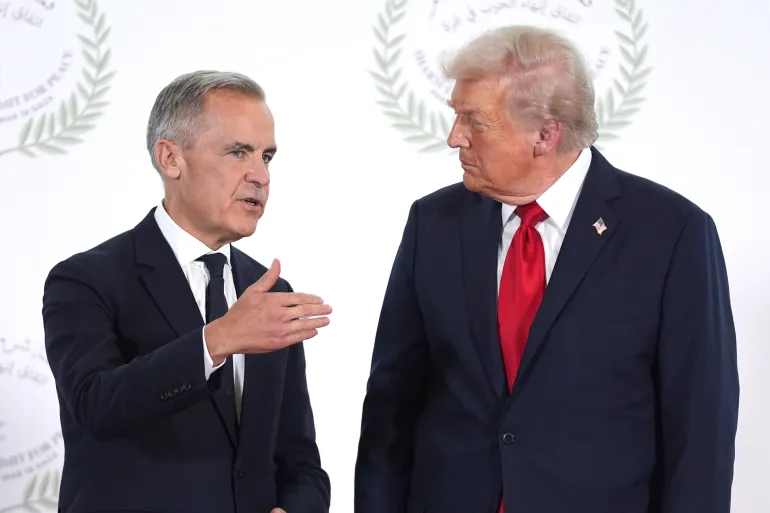
What Davos and the “Board of Peace” Mean for Israel’s Diplomatic Position
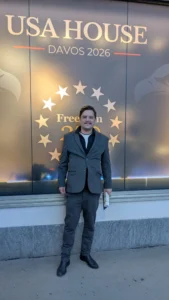
Dateline: Davos / Jerusalem —
The World Economic Forum in Davos has long served as a platform for informal diplomacy alongside its economic agenda. This year, the introduction of the “Board of Peace” has drawn particular attention regarding its implications for Israel’s diplomatic strategy.
According to multiple sources, Israel received a formal invitation from the United States to join the Board of Peace, a new initiative launched by President Donald Trump during the 56th annual WEF meeting. The board was presented as a framework to support conflict resolution efforts and post-war reconstruction processes, initially focused on the Gaza ceasefire context.
Prime Minister Benjamin Netanyahu is reported to have accepted the invitation to participate in the Board of Peace, although Israel did not send representatives to sign the founding charter at the Davos ceremony itself.
Israeli officials have expressed nuanced positions: while diplomatic engagement opportunities in forums like Davos remain valuable, there is concern among some in Jerusalem about the political framing of the Board of Peace and its broader implications for established multilateral mechanisms such as the United Nations.
Observers note that several countries have signed the charter under conditions that are not yet fully transparent, and the initiative’s exact operational mandate remains debated among international figures.
For Israel, the decision to engage with or distance itself from such informal initiatives reflects a broader diplomatic balancing act between maintaining open channels of dialogue and protecting national strategic interests in global forums.
WHO HAS SIGNED OR CONFIRMED PARTICIPATION
According to reporting and diplomatic statements:
Founding Members (signed at Davos)
• United States — President Donald Trump signed the founding charter. 
Countries Reportedly Confirmed as Members
Early member states (reported via multiple sources) include:
• Israel — confirmed participation after an invitation from the U.S.; Prime Minister Netanyahu approved joining. 
• Saudi Arabia
• Qatar
• Egypt
• United Arab Emirates
• Turkey
• Pakistan
Other nations from Asia, Eastern Europe and South America have signaled acceptance of invitations. 
Executive Appointees and Key Figures
Trump has appointed key personnel within the Board structure:
• Jared Kushner — senior adviser and peace plan coordinator 
• Marco Rubio — U.S. Secretary of State and senior board figure 
• Tony Blair — former U.K. Prime Minister, named to the executive board by the White House. 
• Steve Witkoff — special envoy for peace missions 
• Ajay Banga (World Bank President) and Marc Rowan (investment CEO) were also named as part of the founder group. 
Wider List of Early Member States (Reported)
Multiple sources have listed additional countries that have accepted invitations so far:
• Morocco
• Indonesia
• Hungary
• Kosovo
• Uzbekistan
• Kazakhstan
• Paraguay
• Vietnam
…among others who reportedly agreed to join from the initial list of around 35 invitees. 
WHO HAS DECLINED OR REMAINED AMBIGUOUS
Declined or Withdrawn Invitations
• Canada — invitation rescinded by Trump after public criticism. 
• Belgium — declared it did not sign the charter and has reservations. 
• France — declined participation and voiced concerns. 
• Germany — negative response due to governance structure concerns. 
• Norway, Sweden, Spain, Italy, UK — among Western nations that reportedly declined to participate or expressed significant reservations. 
Uncertain or Noncommittal
Major powers like China, Russia and India have been invited but have not publicly committed to signing or joining yet.